How can influencer reviews of a Yixing Zisha Teapot boost brand trust?
Across the expanse of historic epochs,
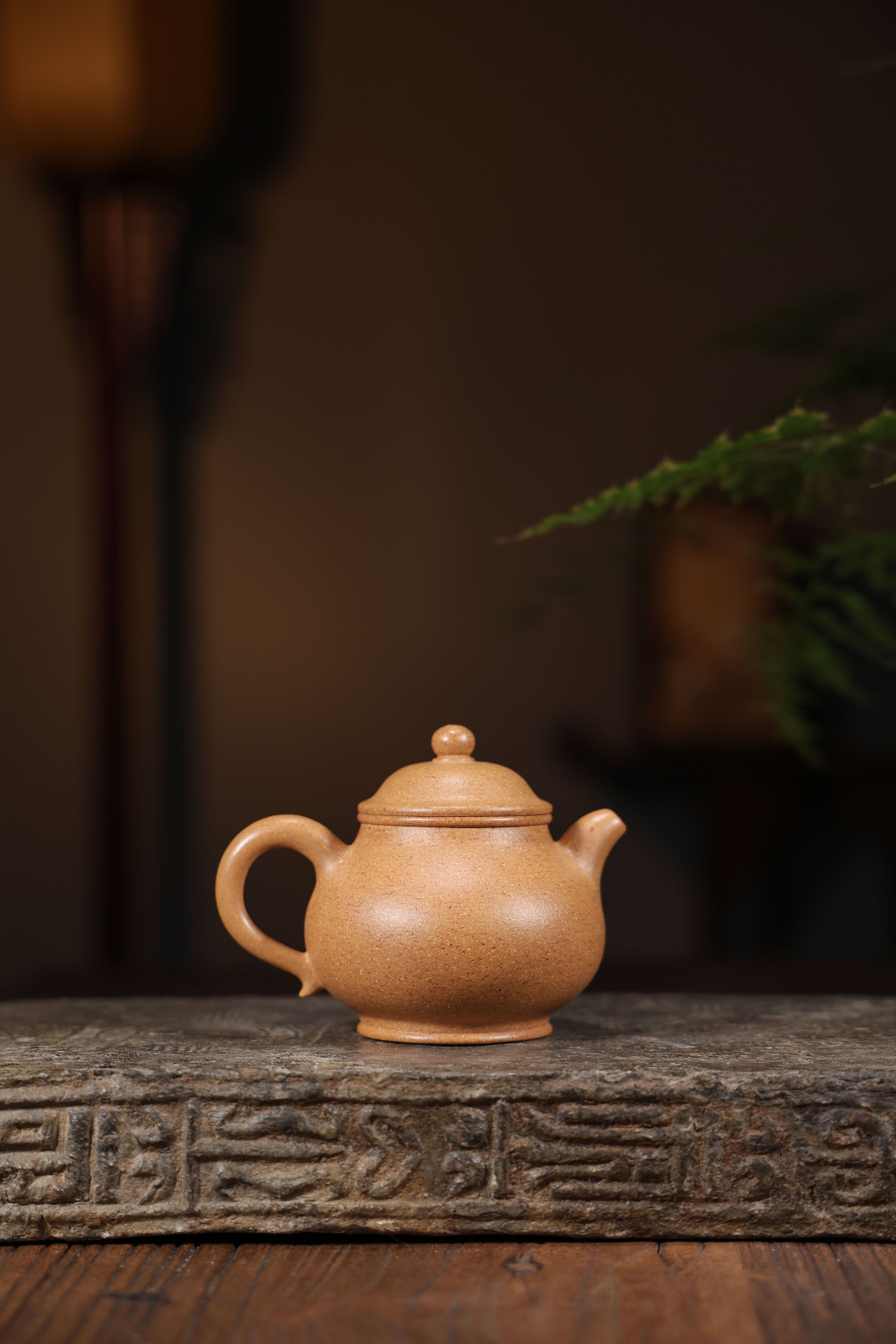
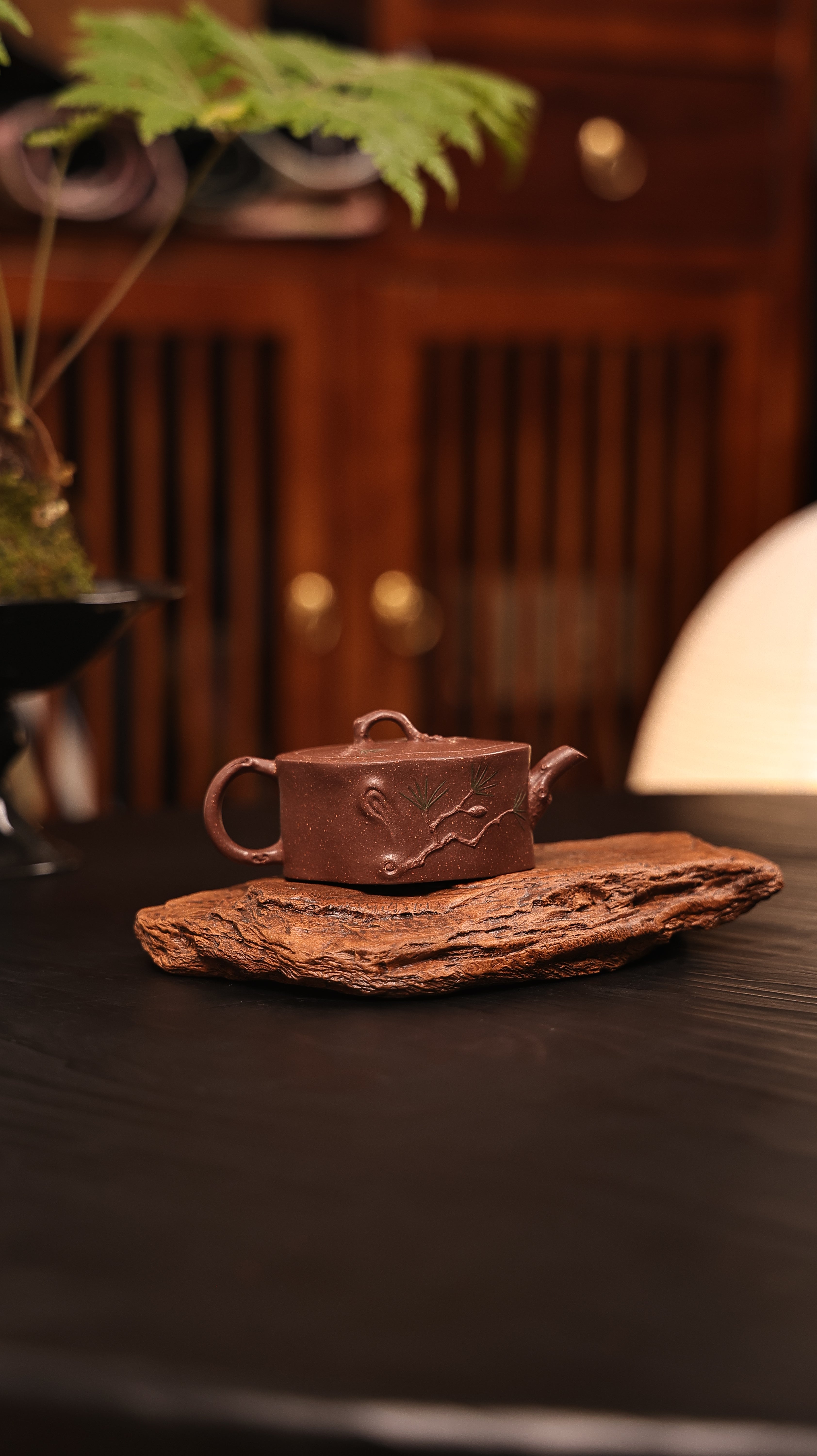
Following epochs, enthusiasts have been fascinated by the rare charm of Yixing Zisha carafes. Originating from the locality of Yixing in the nation of China, these pots are renowned for their remarkable beauty, limited clay, and innate ability to elevate the bouquet of tea. The soil's distinctive reddish-purple hue, combined with the expert construction of indigenous sculptors, creates creations that are concurrently functional objects and treasured financial interests. Obtaining a Zisha teapot is more than just a purchase; it's embracing a rich cultural heritage.
Understanding Yixing Teapots: History, Types, and Value
This Yixing teapots are a rich history deeply intertwined with Chinese culture. Starting in the Yixing region of Jiangsu province, these clay vessels carry a heritage linking back to the Ming Dynasty. Preceding examples were functional, but along centuries, Yixing teapot creation evolved into an esteemed art form. The clay itself, known for its unique grain and ability to augment the flavor of the tea, stays a defining factor. Yixing teapots exist in various styles, broadly categorized by shape: Typical such as Zhuni (purple clay) and Bisheng, as well as exclusive designs. The Purple Clay Teapot merit of a Yixing teapot varies on several factors, including the potter’s fame, the age of the piece, the rarity of the clay, and its aesthetic appeal.- Account: Old ages
- Soil: Multiple varieties
- Appraisal Elements: Rarity
Art of Zisha Pottery: Craft and Individuals
Particular assembly of a real Zisha teapot is a intricate process, requiring multiple cycles of knowledge. Accomplished artisans meticulously gather the premier Zisha clay, a rare earth found only in specific regions of China. Classic techniques, often bestowed through families, involve careful shaping, sensitive carving, and methodical firing in ancient furnaces. The end teapot isn't merely a pot; it's a testament to design vision and the intense connection between the artist and their inheritance. Each teapot showcases the specific touch of the craftsman, resulting in a truly rare work of expression.
Chinese Earthenware: Discovering the Deep Practices of Yixing City
Esteemed Yixing, nestled in Jiangsu the expanse, is internationally renowned for its exceptional containers – a tangible representation of centuries of Chinese culture. These aren't merely vessels for creating tea; they are intricate works of skill, often reflecting ideological ideals. The unique purple clay, known as Zisha, possesses extraordinary qualities: the matter dense, permeable, and imparts a subtle quality to the tea.
- Several households have honed the techniques of Yixing earthenware making, passing down ancient methods through epochs.
- Collectors prize these pieces for their elegance and oddity.
- Each container tells a account, connecting the drinker to a rich history.
Acquiring Yixing Zisha: Crucial Elements
Upon considering acquiring Yixing Zisha ceramics, diverse components warrant careful evaluation. Primarily, the component's color is crucial; authentic Zisha generally exhibits a evident maroonish gradient. As well, inspect the artistry; clear aspects and a polished covering signify adept construction. Concluding, research the maker’s background; esteemed names bring elevated costs and often deliver a stronger yield.
Zisha Teapot Tea Brewing Mastery
Producing palatable tea with a Zisha carafe is more over a simple habit; it's an specialty. Zisha clay, noted for its unique natural composition, imparts a gentle character to the finalized tea that’s often missing with other containers. The proper water temperature is key; typically, subdued than what's used for black tea, to conserve the tea's bouquet and character. Consider thoroughly the tea variety; delicate green teas or aged pu-erhs advance from the Zisha’s ability to lessen their original edge. It’s vital to rinse the teapot before brewing, and to exclude over-steeping. Mastering this skill leads to a sincerely exceptional tea enjoyment.
- Recognizing Zisha Clay
- Temperature Control & Tea Category
- Criticality of Initial Heating
Preserving Your Yixing Earthenware
So as to guarantee the persistence of your cherished Yixing clay pot, systematic servicing is vitally required. Abstain from using detergent; instead, tenderly flush it with warm aqueous substance. Prevent immediate fluctuations; don't position the clay pot directly onto a burning burner. Periodically, strengthen the kettle by processing it with premium puerh liquid, as this helps to increase its character and maintains the distinctive features of the clay.
Pertaining to Clay to Goblet: The Journey of a Chinese Ceramic
This creation of a Zisha teapot is a extraordinary technique, a evidence to both the earth's bounty and the expertise of the fabricator. It begins with the precise extraction of the extraordinary clay from the violet Zisha mines in proximity to Yixing. This prime material, known for its superior properties, is then patiently washed and configured for the initial forming. The jar’s figure is expertly constructed using a amalgamation of longstanding shaping procedures, often incorporating decorative patterns. Following settling, the jar undergoes a indispensable first firing, followed by a finishing stage, which might involve several different layers of unprocessed Zisha films. Finally, a second, and sometimes third, firing at intense temperatures perfects the object, revealing its definitive beauty and fantastic characteristics - a true masterpiece, available to enrich a tea practice.
{Yixing Teapots: A Manifestation of a Customary Practice and Appreciation
This Yixing teapots, originating from the celebrated Yixing region of Jiangsu province, are far more than mere receptacles for brewing elixirs; they represent a major aspect of Chinese civilization. Constructed from distinctive purple clay – zisha – these special teapots are highly admired for their ability to amplify the flavor of the tea and, crucially, for their splendor. The history of Yixing teapot making spans centuries, and the skill involved is passed down through generations, making each teapot a work of art that embodies ancient techniques and a profound appreciation for the understated pleasures in life.